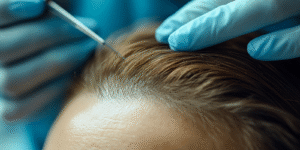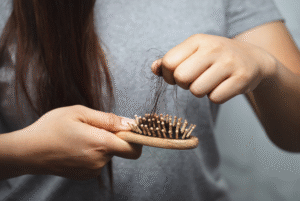
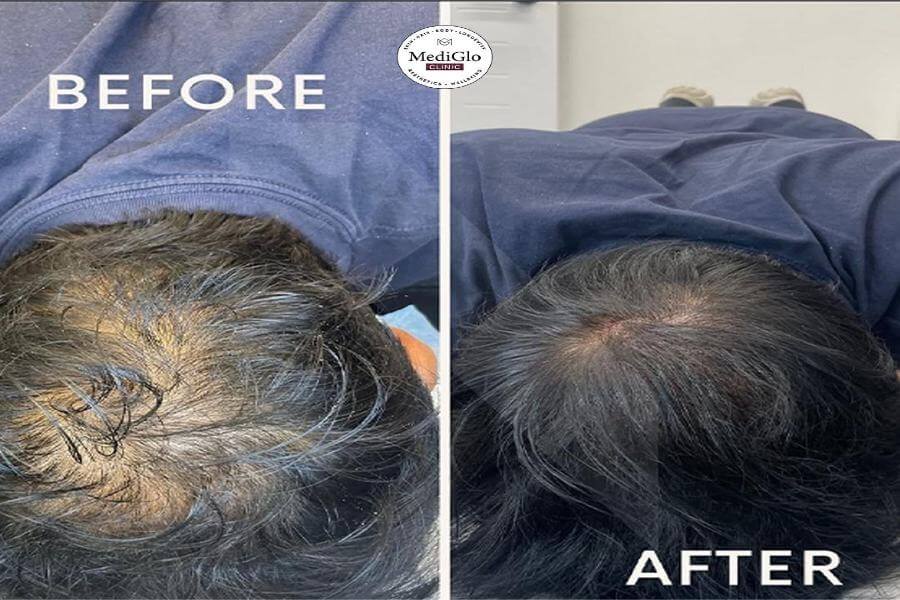
Hair fall is one of those quiet concerns that tiptoes into a person’s life and then refuses to leave. It begins subtly with an extra strand on the pillow, a few more circling the shower drain and before long, the mirror feels less like a friend and more like a critic. In a world obsessed with thick ponytails and glossy beards, hair fall can hit confidence like a plot twist no one saw coming.
Yet hair fall is not merely cosmetic drama. It is a biological process, sometimes temporary and sometimes chronic, often signaling deeper changes within the body. Understanding the causes of hair fall, recognizing early signs, and choosing the right hair treatment can transform panic into practical action.
What is Hair Fall?
Hair fall refers to the shedding of hair from the scalp or other parts of the body. On average, a person loses 50 to 100 strands daily. That may sound alarming, but it is a natural part of the hair growth cycle.
Hair grows in three phases:
- Anagen (growth phase) – Lasts 2–7 years
- Catagen (transition phase) – Lasts a few weeks
- Telogen (resting phase) – Hair sheds and new growth begins
When this cycle is disrupted, hair fall becomes noticeable. It is not just about losing hair; it is about losing balance in the growth process. Sometimes hair fall is temporary—like a passing storm. Other times, it is progressive, requiring medical attention and structured hair treatment.
What are the Types of Hair Fall?
Hair fall is not a one size fits all phenomenon. It wears many disguises.
Androgenetic Alopecia
Commonly known as male or female pattern baldness, this type is largely genetic. It typically causes receding hairlines in men and thinning along the crown in women. This is one of the most common causes of hair fall worldwide.
Telogen Effluvium
This type often appears after stress, illness, surgery, or major life changes. Hair enters the resting phase prematurely, leading to excessive shedding. It is like the body pressing a temporary “pause” button on hair growth.
Alopecia Areata
An autoimmune condition where the immune system mistakenly attacks hair follicles. It often results in round, patchy bald spots.
Traction Alopecia
Caused by tight hairstyles—braids, ponytails, or extensions—that constantly pull on hair roots. Beauty, in this case, demands a painful price.
Scarring Alopecia
A rare but serious form where inflammation damages hair follicles permanently.
Each type requires a different hair treatment strategy. Identifying the exact pattern is crucial before beginning intervention.
Common Causes of Hair Fall
Understanding the causes of hair fall is like detective work clues lie in lifestyle, genetics, health, and habits.
Hormonal Imbalance
Hormones play a massive role in regulating hair growth. Conditions like thyroid disorders, PCOS, pregnancy, and menopause can trigger hair fall.
Nutritional Deficiencies
Hair thrives on nutrients like iron, protein, zinc, and biotin. A diet heavy on junk food and light on greens can quietly fuel hair thinning.
Stress
Chronic stress can shock the hair cycle into shedding mode. When life feels like a pressure cooker, hair fall often becomes collateral damage.
Genetics
Sometimes, the causes of hair fall are written into DNA. If family members experienced early thinning, the risk increases.
Medical Conditions and Medications
Certain illnesses, autoimmune disorders, and treatments like chemotherapy can trigger hair fall.
Excessive Styling and Chemical Damage
Frequent coloring, heat styling, and harsh treatments weaken hair shafts. Over time, strands become fragile and break easily.
Scalp Infections
Fungal infections or dandruff-related inflammation can disrupt hair growth and worsen hair fall.
The causes of hair fall are rarely isolated; often, they overlap like dominoes falling in sequence.
Early Signs of Hair Loss
Hair rarely disappears overnight. It whispers before it screams.
- Increased shedding while combing
- Widening hair part
- Thinning ponytail
- Visible scalp under bright light
- Receding hairline
- Slower hair growth
Catching these signs early can make hair treatment more effective. Waiting too long can allow temporary hair fall to turn into a long-term concern.
Diagnosis Methods
Diagnosis is not guesswork. Dermatologists rely on clinical tools and medical evaluation.
Physical Examination
The doctor examines scalp health, hair density, and pattern of loss.
Pull Test
A gentle tug determines how many strands come out, helping assess severity.
Blood Tests
Used to detect thyroid issues, anemia, vitamin deficiencies, or hormonal imbalance—common causes of hair fall.
Scalp Biopsy
In rare cases, a small skin sample is taken to identify underlying conditions.
Accurate diagnosis ensures the chosen hair treatment addresses the root cause—not just the symptom.
Treatment for Hair Fall
Hair treatment options range from lifestyle adjustments to medical procedures. The approach depends on the type and causes of hair fall.
Medications
- Minoxidil: Promotes hair growth and slows thinning.
- Finasteride: Often prescribed for male pattern baldness.
- Topical corticosteroids: Used for inflammatory conditions.
Platelet Rich Plasma (PRP) Therapy
PRP involves injecting concentrated platelets from the patient’s own blood into the scalp to stimulate follicles.
Hair Transplant Surgery
Suitable for advanced hair loss. Healthy follicles are relocated to thinning areas.
Low-Level Laser Therapy
Helps stimulate hair growth by improving blood flow to follicles.
Nutritional Supplementation
Iron, biotin, and vitamin D supplements can correct deficiencies contributing to hair fall.
Lifestyle Modification
Stress management, balanced diet, and proper sleep improve overall hair health.
Hair treatment is most effective when tailored to individual needs. Quick fixes rarely work; consistency is key.
Practical Hair Fall Prevention Tips
Prevention is always better than repair. Small habits can make a significant difference.
Gentle Hair Care
Use mild shampoos and avoid excessive heat styling. Let the hair breathe.
Balanced Diet
Include protein rich foods, leafy greens, nuts, and seeds.
Stress Management
Yoga, meditation, and regular exercise help reduce stress related hair fall.
Avoid Tight Hairstyles
Loose styles prevent traction alopecia.
Regular Scalp Care
Keep the scalp clean and free from excessive buildup.
Limit Chemical Treatments
Over-processing weakens strands and worsens hair fall.
When hair is treated like royalty, it often behaves like it.
When to See a Doctor
Not every instance of hair fall demands immediate medical attention. However, professional evaluation is essential when:
- Hair fall is sudden and excessive
- Bald patches appear
- Hair thinning worsens rapidly
- There are symptoms like itching, redness, or pain
- Over-the-counter hair treatment shows no improvement
Early consultation can prevent irreversible damage. Waiting too long can narrow treatment options.
Conclusion
Hair fall is more than a cosmetic inconvenience; it is often a reflection of internal health, lifestyle habits, and genetic predisposition. Understanding the causes of hair fall empowers individuals to respond proactively rather than react emotionally. From early detection to personalized hair treatment, timely action can slow, stop, or even reverse hair thinning in many cases.
For those seeking expert guidance, Mediglo Clinic offers advanced diagnostic tools and evidence-based solution for hair fall treatment in Gurgaon tailored to individual needs. With professional evaluation and modern therapeutic options, managing hair fall becomes less about fear and more about informed care.
Hair may frame the face, but confidence frames the person. Addressing hair fall with the right strategy ensures both remain intact.
FAQs
What are the leading causes of hair fall?
The leading causes of hair fall include genetic predisposition, hormonal imbalance, nutritional deficiencies, stress, medical conditions, and excessive chemical or heat styling.
How can I prevent hair thinning naturally?
Preventing hair thinning naturally involves maintaining a balanced diet, managing stress, avoiding tight hairstyles, and using gentle hair care products.
Can stress cause hair fall?
Yes, chronic stress can trigger telogen effluvium, a condition where hair prematurely enters the shedding phase, leading to noticeable hair fall.
When should I see a dermatologist for hair fall?
A dermatologist should be consulted if hair fall is sudden, excessive, patchy, or accompanied by scalp irritation, or if home-based hair treatment fails to show improvement.
Are there effective treatments for severe hair thinning?
Yes, severe hair thinning can be treated with medications, PRP therapy, laser therapy, or hair transplant surgery depending on the underlying causes of hair fall.