
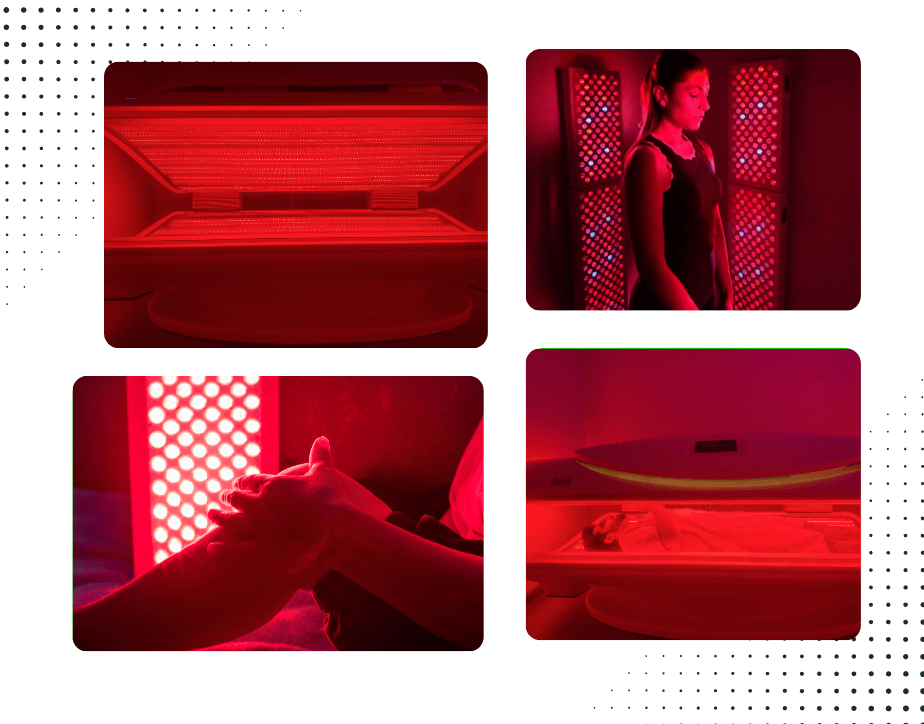
In a world where filters blur reality and “glass skin” trends dominate social media, skin rejuvenation has quietly taken a more scientific turn. Red Light Therapy (RLT) has stepped out of the shadows of wellness clinics and into the spotlight—armed not with hype, but with hard science and visible results. Think of it as skincare that skips the fluff and speaks fluent biology.
This blog dives deep into how red light therapy works, what results to expect, and why science backs it up—no smoke, no mirrors, just photons doing their job.
What Is Red Light Therapy?
Red Light Therapy is a non-invasive treatment that uses low-level wavelengths of red and near-infrared light to stimulate cellular activity in the skin. Unlike UV rays that wage war on collagen, red light is the calm negotiator—penetrating the skin gently, encouraging repair rather than destruction.
Originally developed by NASA (yes, that NASA) to help astronauts heal wounds in space, RLT has since found a solid footing in dermatology and aesthetic medicine.
In simple terms:
Red light tells skin cells to wake up, work smarter, and age slower.
The Science Behind Red Light Therapy (No Lab Coat Required)
How Red Light Interacts With Skin Cells
At the cellular level, red light targets the mitochondria—the power plants of skin cells. When these mitochondria absorb specific wavelengths (typically 630–660 nm for red light and 810–880 nm for near-infrared), ATP (adenosine triphosphate) production increases.
ATP is energy. More energy means:
- Faster cell repair
- Better collagen production
- Improved blood circulation
It’s like giving tired skin cells a double espresso—minus the jitters.
Collagen Stimulation: The Real MVP
Collagen is the scaffolding that keeps skin firm and youthful. As age creeps in, collagen production slows down, leading to wrinkles, sagging, and that “why do I look tired?” expression.
Red light therapy stimulates fibroblasts, the cells responsible for collagen synthesis. Over time, this leads to:
- Reduced fine lines
- Improved elasticity
- Smoother skin texture
No needles. No downtime. Just biology doing what it was designed to do—when properly nudged.
Skin Rejuvenation Results: What Can One Expect?
Short-Term Results (2–4 Weeks)
In the early stages, the changes are subtle but noticeable:
- Brighter complexion
- Reduced redness
- Improved skin hydration
Clients often describe it as a “rested glow”—the kind people ask about but can’t quite place.
Mid-Term Results (1–3 Months)
Consistency pays off here. With regular sessions:
- Fine lines begin to soften
- Skin tone evens out
- Mild acne inflammation reduces
This is where skepticism usually turns into loyalty.
Long-Term Results (3–6 Months)
Here’s where red light therapy earns its reputation:
- Visible wrinkle reduction
- Improved skin firmness
- Healthier, thicker skin structure
It’s not magic—it’s cumulative cellular repair. Slow burn, big payoff.
Conditions Red Light Therapy Helps Improve
Fine Lines & Wrinkles
By boosting collagen and elastin, RLT helps smooth out crow’s feet, forehead lines, and smile lines—without freezing facial expressions.
Acne & Inflammation
Red light reduces inflammation and regulates oil glands, making it an effective ally for acne-prone skin. Think calm, not chaos.
Hyperpigmentation & Sun Damage
While not a bleaching treatment, red light improves cell turnover and circulation, which helps fade discoloration over time.
Rosacea & Sensitive Skin
Unlike aggressive treatments, RLT soothes the skin barrier, making it suitable for sensitive and reactive skin types.
Red Light Therapy vs Other Skin Rejuvenation Treatments
Compared to Chemical Peels
Chemical peels resurface by controlled injury. Red light therapy rejuvenates without trauma. One is a sprint; the other is a marathon.
Compared to Laser Treatments
Lasers deliver dramatic results but often come with downtime and risk. Red light offers gradual improvement with zero recovery time.
Compared to Topical Skincare
Skincare works from the outside in. Red light works from the inside out. Together, they’re a power couple.
Is Red Light Therapy Safe?
Backed by Research
Multiple peer-reviewed studies confirm that low-level light therapy is safe when administered correctly. It does not damage DNA, does not burn skin, and does not thin the epidermis.
No Downtime, No Drama
There’s no peeling, redness, or “hide-from-the-world” phase. Clients often return to daily activities immediately after sessions.
In the skincare world, that’s rare—and refreshing.
What a Typical Red Light Therapy Session Looks Like
Before the Session
- Skin is cleansed
- No makeup or heavy products
- Protective eyewear may be provided
During the Session
- The client relaxes under a red light panel or device
- Session lasts 15–30 minutes
- No heat, no pain—just a warm glow
Some clients nap. Others scroll. Many do both.
After the Session
- Skin may look slightly flushed (temporary)
- No restrictions on activities
- Skincare can be applied immediately
Low effort. High reward.
Who Is an Ideal Candidate?
Red light therapy is suitable for:
- Aging skin
- Acne-prone skin
- Sensitive skin
- Post-procedure healing
It’s also ideal for individuals who want results without injections, chemicals, or downtime.
However, those with certain medical conditions or photosensitivity should always consult a professional first.
The Role of Consistency (The Not-So-Secret Sauce)
Red light therapy isn’t a one-hit wonder. It’s more like a playlist—you need repetition for the vibe to sink in.
Most protocols recommend:
- 2–3 sessions per week initially
- Maintenance sessions once weekly or biweekly
Results compound over time, much like fitness or nutrition. There are no shortcuts, only smart habits.
Science Meets Self-Care
Red light therapy sits at the intersection of aesthetics and wellness. It doesn’t just chase beauty—it supports skin health at a cellular level.
In an era obsessed with instant gratification, RLT quietly reminds everyone that real rejuvenation takes time, science, and consistency.
Brand Thoughts: Mediglo Clinic
At Mediglo skin clinic in Gurgaon, red light therapy is not treated as a trend—it’s treated as a tool. A thoughtfully integrated solution within a broader philosophy of skin longevity and wellness. The clinic approaches rejuvenation with precision, personalization, and a deep respect for science.
Rather than chasing quick fixes, Mediglo Clinic focuses on sustainable skin health, combining advanced technologies with expert care. In a space crowded with noise, Mediglo chooses clarity—and lets results do the talking.
Frequently Asked Questions (FAQs)
1. How many red light therapy sessions are needed for skin rejuvenation?
Most individuals begin noticing visible improvements after 6–8 sessions. Optimal results typically require consistent treatments over 2–3 months.
2. Can red light therapy be combined with other skin treatments?
Yes. Red light therapy pairs well with facials, microneedling, and topical skincare, often enhancing overall results.
3. Is red light therapy painful?
No. The treatment is completely painless and non-invasive. Most clients find it relaxing.
4. Does red light therapy work for all skin types?
Yes. Red light therapy is safe and effective for all skin tones and types when performed correctly.
5. Are the results of red light therapy permanent?
Results are long-lasting with maintenance sessions. Like any skin treatment, consistency plays a key role in sustaining benefits.