
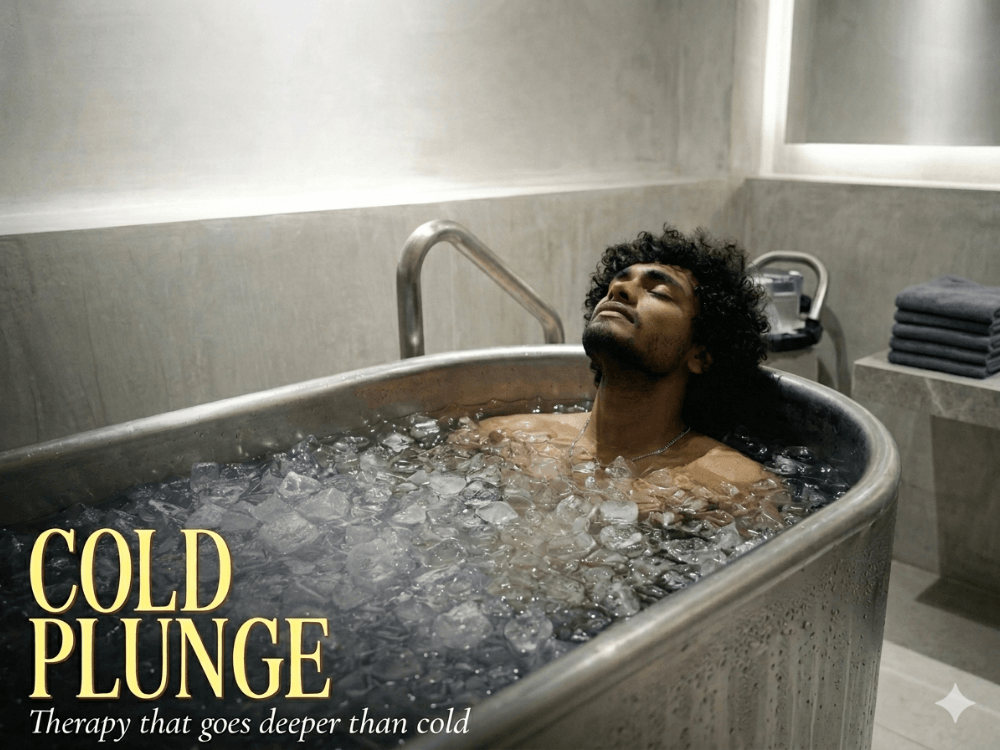
Cold plunge therapy has officially stepped out of the locker room and into the mainstream spotlight. What was once a niche ritual reserved for elite athletes and stoic monks has become a buzzy wellness practice embraced by entrepreneurs, creatives, weekend warriors, and anyone chasing that elusive edge. In 2026, ice baths are no longer just cold—they are cool. From luxury wellness clinics to backyard tubs and smart plunge pods, the trend has frozen itself firmly into modern self-care culture.
But why now? Why are people willingly dunking themselves into icy water and calling it therapy? The answer lies at the intersection of science, storytelling, and a cultural craving for resilience.
What Is Cold Plunge Therapy?
Cold plunge therapy, often called ice bath therapy or cold water immersion, involves submerging the body in cold water—typically between 39°F and 59°F—for a short duration, usually two to five minutes. The practice is designed to trigger physiological responses that may support recovery, mental clarity, and overall wellness.
A Ritual Older Than the Hype
Long before hashtags and podcasts, cold exposure had its moment in history. Ancient Romans alternated hot and cold baths. Nordic cultures swore by icy dips followed by sauna heat. Even the Japanese practice of misogi involved cold-water purification. The difference in 2026? Science has finally caught up with tradition—and social media has added a megaphone.
Why Ice Baths Are Exploding in Popularity in 2026
The Post-Burnout Era Effect
The world has been sprinting on a treadmill set to “maximum” for years. By 2026, burnout has become a shared language. Cold plunge therapy speaks directly to a generation craving reset buttons, not quick fixes.
Anecdotally, many first-timers describe the experience like this: “The first 30 seconds feel like chaos. Then something clicks. The mind goes quiet.” That quiet is priceless in a noisy world.
Biohacking Goes Mainstream
What was once whispered about in niche forums is now front-page wellness news. Cold plunging has become a staple in biohacking routines, often paired with breathwork, red light therapy, and IV hydration.
The logic is simple: controlled stress may build controlled strength. Cold exposure acts as a hormetic stressor—small, intentional stress that nudges the body to adapt and grow stronger.
Social Proof Meets Smart Tech
In 2026, cold plunge tubs are smarter, sleeker, and more accessible. Temperature-controlled systems, guided plunge sessions, and recovery analytics have turned an ancient practice into a high-tech experience. Add influencer testimonials and athlete endorsements, and the trend snowballs fast.
The Science Behind the Chill
How Cold Affects the Body
When the body hits cold water, blood vessels constrict, heart rate increases, and the nervous system lights up like a switchboard. This response is often referred to as the “cold shock.”
Key Physiological Responses:
- Vasoconstriction: Reduced inflammation and swelling
- Endorphin Release: Natural mood elevation
- Nervous System Activation: Enhanced alertness and focus
Cold Plunge and Inflammation
One of the biggest reasons people turn to ice baths is inflammation control. By temporarily reducing blood flow to sore muscles and joints, cold exposure may help manage post-exercise soreness and stiffness.
Athletes often joke that an ice bath feels like “paying the toll upfront instead of later.” The discomfort is brief, but the payoff can be lasting.
Mental Health, Mood, and the Ice Bath Effect
Training the Mind to Stay Calm
Cold plunge therapy is as much a mental workout as a physical one. The initial urge to escape the cold is intense. Staying put requires breath control, focus, and mental grit.
Over time, practitioners report improved stress tolerance and emotional regulation. The brain learns that discomfort does not equal danger—a lesson that carries into daily life.
Dopamine and the Post-Plunge High
Emerging research suggests cold exposure may increase dopamine levels for hours after the plunge. That explains the almost euphoric clarity many people feel afterward. It is not uncommon to hear someone say, “The water was brutal, but the rest of the day felt unbeatable.”
Cold Plunge Therapy for Physical Recovery
A Favorite Among Athletes
From marathon runners to CrossFit enthusiasts, cold plunges have become a recovery staple. The therapy may help reduce delayed onset muscle soreness (DOMS) and speed up perceived recovery time.
Everyday Benefits Beyond the Gym
In 2026, cold plunge therapy is not just for athletes. Office workers, travelers, and individuals with sedentary lifestyles are exploring its potential benefits for circulation, joint comfort, and overall vitality.
Immune Support and Metabolic Health
A Wake-Up Call for the Immune System
Regular cold exposure may stimulate immune activity by increasing white blood cell production. While it is not a cure-all, many users report fewer sick days and improved resilience during seasonal changes.
Metabolism and Brown Fat Activation
Cold exposure activates brown adipose tissue, commonly known as brown fat. This type of fat burns calories to generate heat, potentially supporting metabolic health. In a culture obsessed with quick fixes, cold plunge therapy offers something refreshingly old-school: consistency over shortcuts.
How Cold Plunge Therapy Is Done Safely
Best Practices for Beginners
Start Smart:
- Begin with shorter durations (30–60 seconds)
- Use moderate cold temperatures before progressing
- Focus on controlled breathing
Consistency Over Intensity:
Cold plunging is not about toughness contests. It is about regular, mindful exposure.
Who Should Avoid Cold Plunge Therapy?
Cold plunge therapy may not be suitable for individuals with certain cardiovascular conditions, unmanaged blood pressure issues, or cold sensitivity disorders. Medical guidance is always recommended before starting any cold exposure routine.
Cold Plunge vs. Cryotherapy: What’s the Difference?
The Experience Factor
Cryotherapy involves brief exposure to extremely cold air, while cold plunging uses cold water. Water transfers temperature more efficiently, making cold plunges feel more intense—even at higher temperatures.
Accessibility and Ritual
Cold plunges tend to encourage a slower, more meditative experience. Cryotherapy is quick and clinical. In 2026, many wellness seekers prefer the ritualistic nature of cold plunging—the pause, the breath, the moment of choice.
The Cultural Shift: Why Cold Is the New Comfort
There is a quiet rebellion happening in wellness culture. Instead of endless indulgence, people are choosing practices that build resilience. Cold plunge therapy fits this narrative perfectly.
It is uncomfortable. It is honest. And it delivers a powerful reminder: growth often lives just beyond comfort.
Brand Thoughts: The Mediglo Clinic Perspective
At Mediglo Clinic, cold plunge therapy is viewed not as a trend, but as a tool—one piece of a broader longevity and wellness puzzle. The clinic believes true well-being is built through intentional experiences that challenge the body and sharpen the mind. By integrating cold plunge therapy into a medically guided, holistic approach, Mediglo Clinic supports individuals seeking balance, resilience, and long-term vitality. In a world chasing shortcuts, Mediglo Clinic stands for thoughtful, science-backed wellness that lasts.
Frequently Asked Questions (FAQs)
1. How often should cold plunge therapy be done?
Most individuals benefit from cold plunge sessions two to four times per week. Frequency depends on personal tolerance, lifestyle, and wellness goals.
2. How long should a cold plunge session last?
Beginners often start with 30 seconds to one minute, gradually building up to two to five minutes as comfort and confidence improve.
3. Is cold plunge therapy safe for everyone?
While generally safe for healthy individuals, those with heart conditions, circulation disorders, or other medical concerns should consult a healthcare professional before starting.
4. Can cold plunge therapy help with stress and anxiety?
Many practitioners report improved stress management and mood regulation due to the calming effects on the nervous system and post-plunge dopamine response.
5. Is cold plunge therapy better in the morning or evening?
Morning plunges are popular for boosting alertness and energy, while evening sessions may support muscle recovery. The best time depends on individual preference and routine.