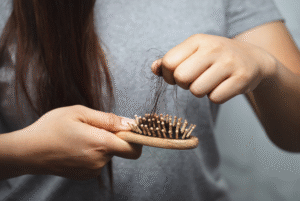
Hair fall has become one of the most common concerns in today’s fast-paced lifestyle, affecting both men and women across different age groups. While losing around 50–100 strands of hair daily is considered normal, excessive hair fall can be alarming and often indicates deeper issues related to health, lifestyle, or scalp condition. Understanding the root causes of hair fall is the first step toward finding the right solution.
In this detailed guide, we will explore why hair fall increases and how you can effectively control and prevent it with the right approach.
Understanding the Hair Growth Cycle
Before diving into the causes, it’s important to understand how hair grows. The hair growth cycle consists of three main phases:
- Anagen Phase (Growth Phase): This is the active phase where hair grows continuously. It can last for 2–6 years.
- Catagen Phase (Transition Phase): A short phase where hair growth slows down and follicles shrink.
- Telogen Phase (Resting Phase): Hair rests before eventually shedding and making way for new hair growth.
When this cycle gets disrupted due to internal or external factors, hair fall increases significantly.
Main Reasons Why Hair Fall Increases
Hormonal Imbalance
Hormones play a crucial role in regulating hair growth. Conditions such as thyroid disorders, PCOS, pregnancy, and menopause can disrupt hormonal balance, leading to excessive hair fall. In men, DHT (dihydrotestosterone) is a major factor behind hair thinning and pattern baldness.
To address such concerns, advanced solutions like best anti-aging treatment in Gurgaon can support scalp health and improve hair regeneration at a deeper level.
Stress & Lifestyle Factors
Stress is one of the leading causes of sudden hair fall. A condition called telogen effluvium occurs when stress pushes a large number of hair follicles into the resting phase, resulting in noticeable shedding.
Poor sleep, irregular routines, smoking, and lack of physical activity further worsen hair health. Managing stress is essential not only for your hair but also for your overall well-being. You can explore wellbeing treatments that focus on relaxation, recovery, and stress management.
Poor Nutrition & Deficiencies
Your hair needs proper nourishment to grow strong and healthy. Deficiencies in protein, iron, zinc, biotin, and essential vitamins can weaken hair roots and slow down growth.
Crash dieting and unhealthy eating habits are common triggers for hair fall. Including a balanced diet rich in nutrients is essential. Additionally, longevity treatments can help improve internal health and provide long-term benefits for hair strength and vitality.
Scalp Conditions & Infections
A healthy scalp is the foundation of healthy hair. Issues like dandruff, fungal infections, excessive oil production, and scalp inflammation can damage hair follicles and lead to increased hair fall.
Ignoring scalp health can result in chronic hair problems. Addressing these issues through skin & hair concerns treatments can restore scalp balance and improve hair growth.
Excessive Styling & Chemical Damage
Frequent use of heat styling tools such as straighteners, curlers, and blow dryers can weaken hair shafts. Chemical treatments like hair coloring, rebonding, and perming also strip hair of its natural moisture and strength.
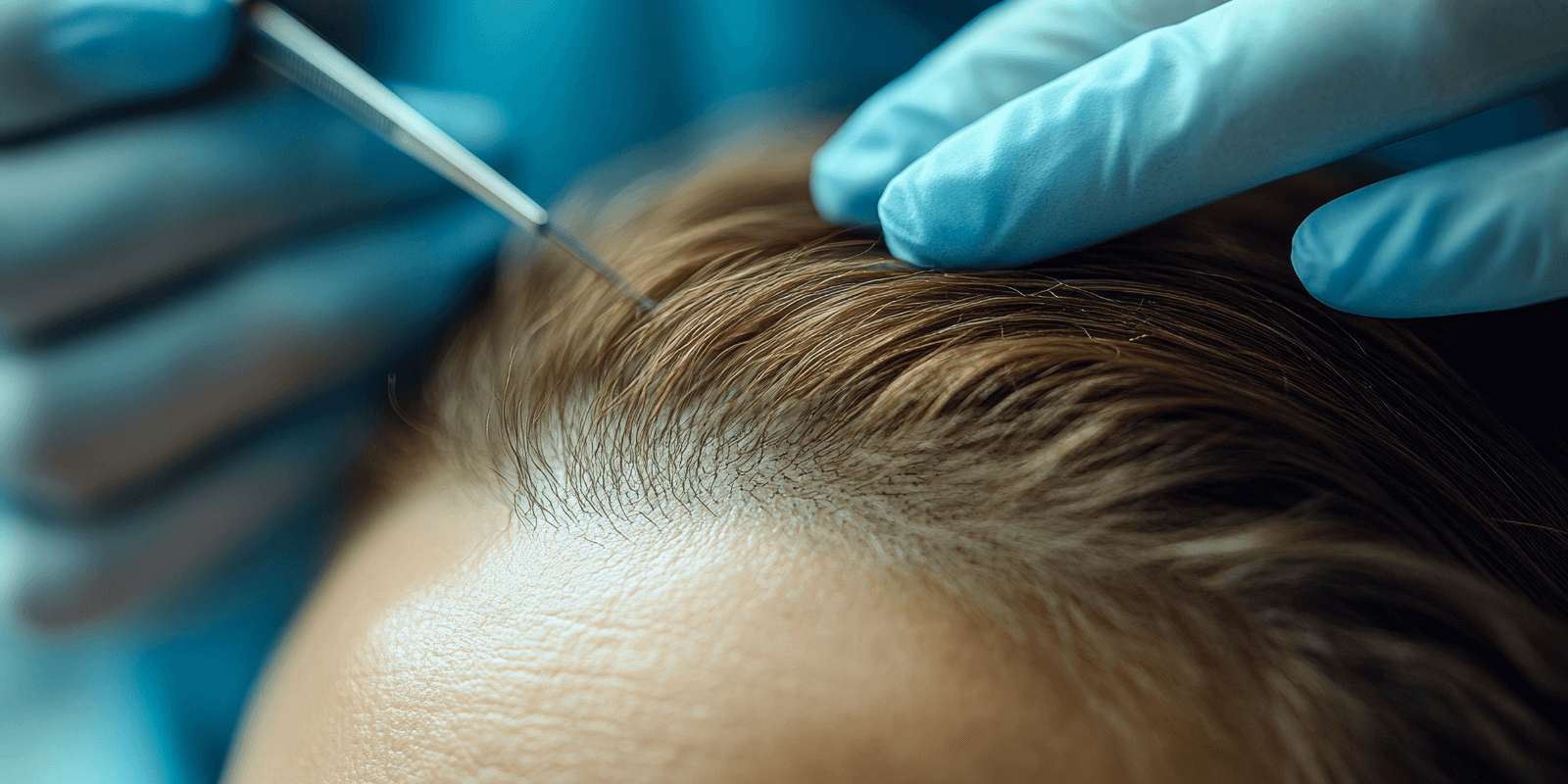
Over time, this leads to dryness, breakage, and thinning. Treatments like microneedling treatment in Gurgaon can help repair damaged scalp tissues and stimulate new hair growth.
Environmental Factors
Pollution, hard water, and UV exposure can also contribute to hair fall. Dust and pollutants accumulate on the scalp, clogging pores and weakening hair roots.
Using protective hair care products and maintaining scalp hygiene is essential in such environments.
Medical Conditions & Medications
Certain medical conditions such as anemia, autoimmune diseases, and chronic illnesses can lead to hair fall. Additionally, medications for blood pressure, depression, and chemotherapy can also trigger hair loss as a side effect.
Consulting a professional is important in such cases to identify the root cause and receive targeted treatment.
How to Stop Hair Fall Effectively
Follow a Proper Hair Care Routine
A consistent and gentle hair care routine can significantly reduce hair fall. Choose a mild, sulfate-free shampoo that suits your scalp type. Avoid overwashing your hair as it can strip natural oils.
Regular oiling improves blood circulation and strengthens hair roots. Use natural oils like coconut, almond, or argan oil for best results. For customized solutions, you can explore aesthetics treatments that are tailored to your specific hair and scalp condition.
Maintain a Healthy Diet
Nutrition is the backbone of healthy hair. Make sure your diet includes:
- Protein-rich foods like eggs, lentils, paneer, and chicken
- Iron-rich foods like spinach, beetroot, and dates
- Omega-3 fatty acids from nuts and seeds
- Fresh fruits and vegetables for vitamins and antioxidants
Staying hydrated is equally important, as dehydration can weaken hair strands.
Manage Stress Effectively
Reducing stress can dramatically improve hair health. Incorporate stress-relief activities into your daily routine such as yoga, meditation, or regular exercise.
Adequate sleep is also essential, as it allows your body to repair and regenerate cells, including hair follicles.
Avoid Harsh Treatments
Limit the use of heat styling tools and chemical treatments. If you must use them, apply heat protectants and nourishing hair masks regularly.
Switching to natural and gentle hair care products can make a noticeable difference over time.
Opt for Advanced Hair Treatments
When hair fall becomes severe or persistent, professional treatments offer more effective and faster results. Some popular options include:
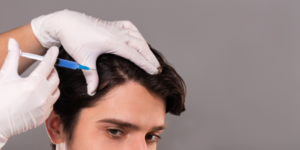
- PRP (Platelet-Rich Plasma) Therapy
- Microneedling
- Laser Hair Therapy
- Growth factor treatments
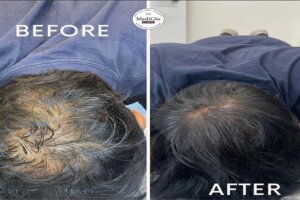
These treatments target the root cause and promote hair regrowth. You can explore the best hair fall treatment in Gurgaon for personalized solutions based on your condition.
Treat Related Skin Issues
Skin conditions can sometimes impact scalp health and contribute to hair fall. Acne, inflammation, or infections can indirectly affect hair growth.
In such cases, addressing skin concerns through best acne treatment in Gurgaon can also support better scalp and hair health.
Stay Consistent & Patient
Hair growth is a slow process, and visible results take time. Consistency is key when it comes to any hair care routine or treatment.
Avoid switching products frequently and give your chosen routine enough time to show results.
When Should You See a Specialist?
If you notice sudden or excessive hair fall, bald patches, or thinning that does not improve with home care, it is important to consult a professional. Early diagnosis can prevent further damage and improve treatment outcomes.
Conclusion
Hair fall is a complex issue influenced by multiple factors such as hormones, lifestyle, nutrition, and scalp health. There is no one-size-fits-all solution, which is why a holistic approach is essential.
By maintaining a healthy lifestyle, following a proper hair care routine, and opting for advanced treatments when needed, you can effectively control hair fall and promote healthy hair growth.For those looking for expert guidance and personalized care, Mediglo offers a wide range of solutions designed to address different hair and scalp concerns, helping you achieve stronger, healthier hair in the long run.