
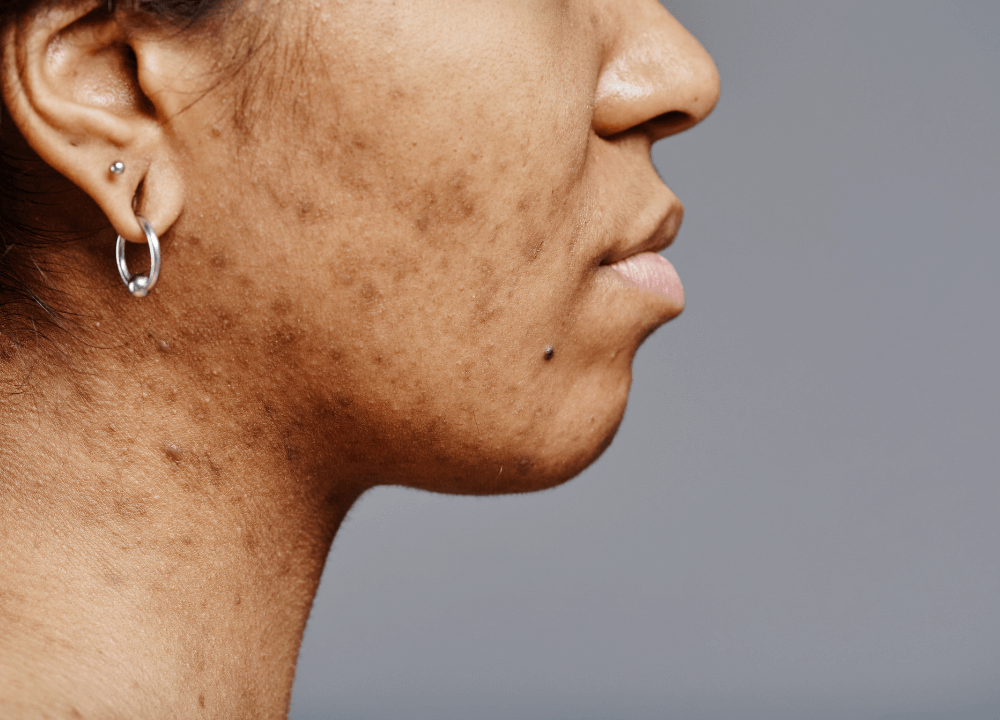
Pigmentation is one of the most common skin concerns, affecting people of all ages. It appears as dark spots, uneven skin tone, melasma, or patches caused by excess melanin production. Factors like sun exposure, hormonal imbalance, acne scars, and aging can all contribute to pigmentation.
The good news is that with the right skincare routine and lifestyle habits, pigmentation can be effectively managed. In this blog, we’ll explore the essential do’s and don’ts you should follow for clear, even-toned skin.
Understanding Pigmentation
Pigmentation occurs when melanin production in the skin becomes uneven. Common types include sunspots, melasma, and post-inflammatory hyperpigmentation (often caused by acne or skin irritation).
If pigmentation is persistent or severe, it’s important to address it at the root. Professional skin & hair concerns treatments can help identify the exact cause and provide targeted solutions.
Do’s for Clear and Even Skin
Use Sunscreen Daily
Sunscreen is the most important step in preventing and reducing pigmentation. UV rays stimulate melanin production, making dark spots darker.
Always use a broad-spectrum sunscreen with at least SPF 30, even on cloudy days or indoors. Reapply every 2–3 hours if you are outdoors.
Follow a Consistent Skincare Routine
Consistency is key when it comes to treating pigmentation. Use gentle cleansers, hydrating moisturizers, and targeted serums regularly.
Ingredients like vitamin C, niacinamide, and retinol can help brighten skin and reduce dark spots over time. For personalized care, you can explore aesthetics treatments tailored to your skin type.
Keep Your Skin Hydrated
Hydration helps maintain the skin barrier and promotes healthy cell turnover. Drink enough water and use hydrating skincare products to keep your skin nourished.
Treat Acne and Skin Issues Early
Acne and inflammation can leave behind dark spots if not treated properly. Early treatment helps prevent post-inflammatory pigmentation.
You can opt for best acne treatment in Gurgaon to manage breakouts and avoid long-term marks.
Eat a Skin-Friendly Diet
A healthy diet rich in antioxidants supports skin repair and reduces pigmentation.
Include fruits, vegetables, nuts, and seeds in your meals. Supporting overall health through longevity treatments can also improve skin quality from within.
Consider Advanced Treatments
If home care is not enough, advanced treatments can provide faster and more effective results.
Options like chemical peels, laser therapy, and microneedling help reduce pigmentation and improve skin texture. You can explore the best anti-aging treatment in Gurgaon for professional solutions that target pigmentation and skin aging.
Don’ts to Avoid for Pigmentation Control
Avoid Sun Exposure Without Protection
Stepping out without sunscreen can worsen pigmentation and undo all your skincare efforts.
Always protect your skin with sunscreen, sunglasses, and protective clothing.
Don’t Pick or Touch Your Skin
Picking acne, scratching, or touching your face frequently can cause inflammation and lead to dark spots.
Let your skin heal naturally and avoid unnecessary contact.
Avoid Harsh Skincare Products
Using strong chemicals or over-exfoliating can damage your skin barrier and worsen pigmentation.
Stick to gentle, dermatologist-recommended products that suit your skin type.
Don’t Expect Instant Results
Pigmentation takes time to fade. Switching products frequently or expecting overnight results can harm your skin.
Consistency and patience are essential for visible improvement.
Avoid Self-Medication
Using random creams or treatments without proper guidance can worsen pigmentation.
Always consult experts before trying new treatments, especially for stubborn pigmentation.
Don’t Ignore Hormonal or Internal Issues
Hormonal imbalances can cause conditions like melasma, which require a more targeted approach.
Addressing internal factors is important for long-term results.
Additional Tips for Clear Skin
Maintain a healthy lifestyle with proper sleep, regular exercise, and stress management. These factors play a crucial role in skin health.
Avoid smoking and excessive alcohol consumption, as they can damage your skin and increase pigmentation.
Regular skincare maintenance and professional guidance can help you achieve better results over time.
Conclusion
Pigmentation is a manageable skin concern if treated with the right approach. Following the correct do’s—like using sunscreen, maintaining a skincare routine, and eating healthy—can significantly improve your skin tone.
At the same time, avoiding common mistakes such as sun exposure, harsh products, and picking your skin is equally important.For those looking for expert care and advanced solutions, Mediglo offers a range of treatments designed to target pigmentation and improve overall skin health effectively.

![Read more about the article Anti Aging Treatments [Dermatologist’s Guide of 2026]](https://mediglo.in/wp-content/uploads/2025/10/Anti-Aging-Treatment-in-Gurgaon-300x235.png "Anti Aging Treatments [Dermatologist’s Guide of 2026] 2")